
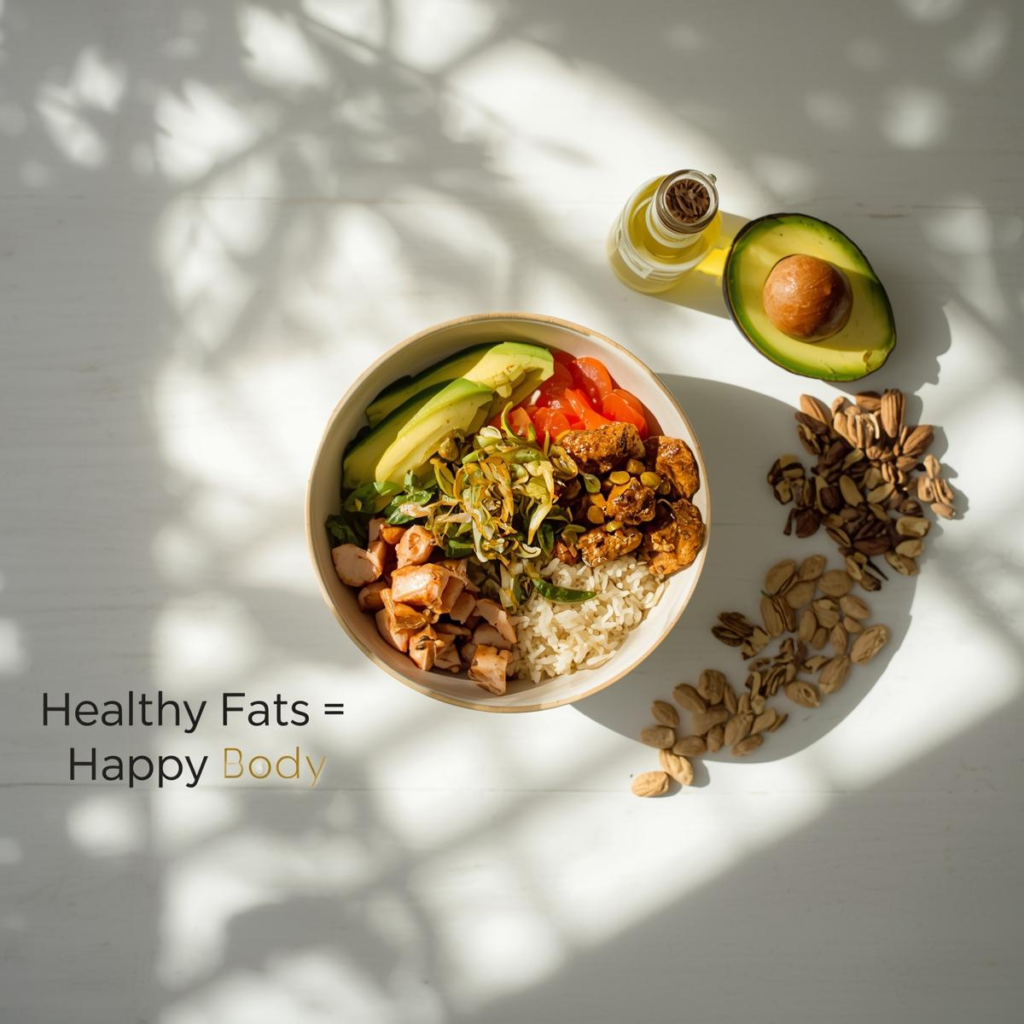
Healthy fats are an important part of a balanced diet. They provide energy, support brain function, and help maintain proper hormone balance in the body.
In today’s busy lifestyle, many people avoid fats, but the right kind of healthy fats are essential for keeping the body strong. Foods such as olive oil, nuts, seeds, avocado, and other natural fat sources provide beneficial fats that support overall health.
Healthy fats also help improve skin health, support hair growth, and provide long-lasting energy. Food preferences may vary depending on mood—sometimes people prefer light and healthy meals, while at other times they choose comforting food. Including the right amount of healthy fats helps maintain both physical and mental well-being.
Meals prepared with fresh ingredients and balanced nutrients, including healthy fats, can help the body feel more energetic and active.
Understanding the role of nutrients like protein, carbohydrates, fiber, and healthy fats can help in making better food choices for a healthy lifestyle. Platforms like TasteWave present such information in a simple and structured way.
Healthy Fats: What to Eat and What to Avoid (Improved)
Healthy fats should be included in a balanced diet, but it is also important to know which fats are good and which should be limited.
Healthy fats to include are found in foods like olive oil, nuts (almonds, walnuts), seeds (chia seeds, flaxseeds), avocado, fatty fish, and natural plant-based oils. These foods should be included in daily meals in moderate amounts as they support heart health, improve brain function, and provide long-lasting energy.
Fats to limit or avoid include processed and unhealthy fats such as fried foods, packaged snacks, fast food, butter in excess, and items high in trans fats. These can negatively affect health when consumed regularly or in large amounts.
Choosing the right type of fats in the right quantity helps maintain overall health and supports a balanced lifestyle.
Importance of Vitamins – With TasteWave

Vitamins are essential nutrients that help keep the body strong and healthy. They support immunity, improve skin health, and help maintain daily energy levels. Including vitamin-rich foods in daily meals is important for overall well-being.
In today’s busy lifestyle, people often do not pay enough attention to vitamins, which can affect health. A balanced diet that includes fresh vegetables, fruits, whole grains, and natural foods helps provide the body with necessary vitamins.
Vitamins help nourish the body, support brain function, reduce fatigue, and keep the body active throughout the day. Regular intake of vitamin-rich foods helps maintain energy levels and supports a healthy lifestyle.
For example, in the morning (7 AM – 10 AM), fruits like oranges, apples, bananas, or fresh juices can be consumed as they are rich in vitamins. In lunch (12 PM – 3 PM), meals including vegetables, dal, roti, and salad provide important vitamins. In the evening or dinner (7 PM – 9 PM), light meals like soup, boiled vegetables, or fruit bowls can be included. Snacks (11 AM or 4 PM – 6 PM) can include fruits, nuts, or juices to maintain vitamin intake.
Understanding the importance of vitamins and including them in daily meals helps maintain proper nutrition and supports a balanced lifestyle. Platforms like TasteWave present such information in a simple and structured way.
Importance of Minerals – With TasteWave
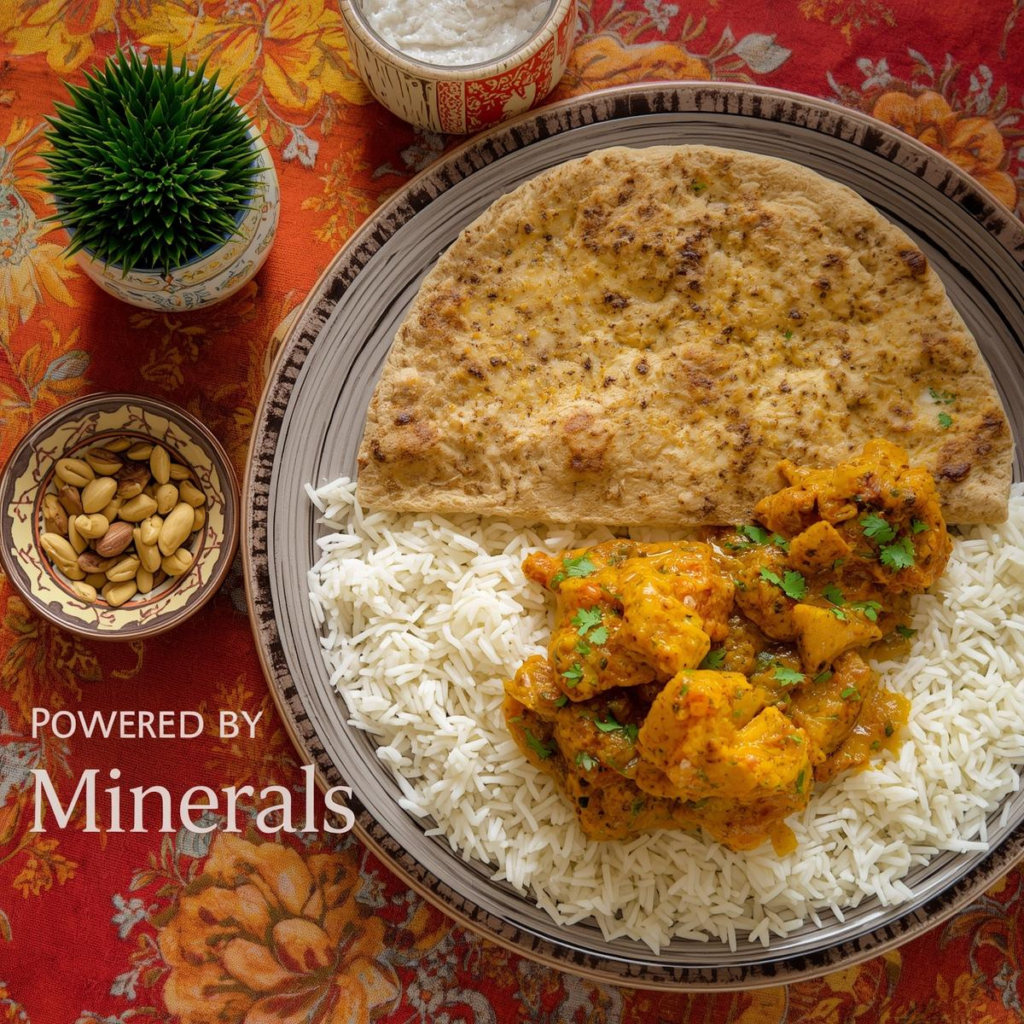
Minerals are essential nutrients that are just as important as vitamins and healthy fats for the body. They help maintain strong bones, support healthy muscles, improve energy levels, and play an important role in overall body functions.
In today’s busy lifestyle, people often ignore the importance of minerals, which can affect health. A balanced diet that includes fresh vegetables, whole grains, nuts, seeds, and natural foods helps provide the body with essential minerals.
Minerals help nourish the body, support brain function, reduce fatigue, and keep the body active throughout the day. They also support heart health, improve metabolism, and provide long-lasting energy.
For example, in the morning (7 AM – 10 AM), foods like bananas, milk, nuts, and seeds can be consumed as they are rich in minerals. In lunch (12 PM – 3 PM), meals including roti, dal, green vegetables, and salad help provide important minerals. In the evening or dinner (7 PM – 9 PM), light meals like vegetable soup, khichdi, or boiled vegetables can be included. Snacks (11 AM or 4 PM – 6 PM) can include nuts, fruits, or roasted seeds to maintain mineral intake.
Understanding the importance of minerals and including them in daily meals helps maintain proper nutrition and supports a balanced lifestyle. Platforms like TasteWave present such information in a simple and structured way.